

Electric Vehicle Service Provider (EVSP)
Vehicle-to-Grid (V2G)
Off Peak Charging
Time of Use Rate (TOU)
Range Anxiety
Advanced Clean Transportation (ACT) News is supported by industry leaders in the transportation and policy industry and provides the latest updates on the commercial transportation sector. The webinars linked below will provide additional information for those looking for detailed industry guidance and observations.
Stacking Incentives: Watch this recorded webinar for an overview on all available federal, state and regional funding opportunities available for deploying zero emission vehicles
EV Fleet Savings Calculator: Learn how to use the EV Fleet Savings Calculator tool to better understand key total cost of ownership inputs, including incentives, energy costs, and infrastructure considerations.
Total Cost of Ownership: Understand the costs (and cost-savings) involved with deploying EVs. Fleets that are used to managing conventional vehicles and fuels may miss key budgeting considerations that can make or break an EV project.
Choosing the Right EVSE Hardware: For any fleet considering a transition to electric, choosing the appropriate EVSE hardware is a critical initial step.
Managing EV Charging Costs: Hear from two charging infrastructure providers to learn about the software available to optimize and manage charging cycles and costs.
Charging Infrastructure Design: Design your charging infrastructure to accommodate short- and long-term needs. Learn more about the benefits of working with PG&E and an electrical contractor early.
Generating Revenue with LCFS: Learn how fleets in California can generate additional revenue by operating electric vehicles and equipment through the state’s Low Carbon Fuel Standard (LCFS) program.
Creating A Competitive Funding Application: Learn how fleets can create competitive funding applications to secure grants and incentives that buy down the cost of transportation electrification.
Resiliency Planning for EVs: Developing an energy plan that considers resiliency and accounts for needs 5 to 10 years from now helps mitigate unexpected infrastructure cost.
Permitting for EVs: Installing EV charging infrastructure requires building permits to begin site construction. Learn about the process and requirements to obtain site permits, as well as the anticipated construction timelines.
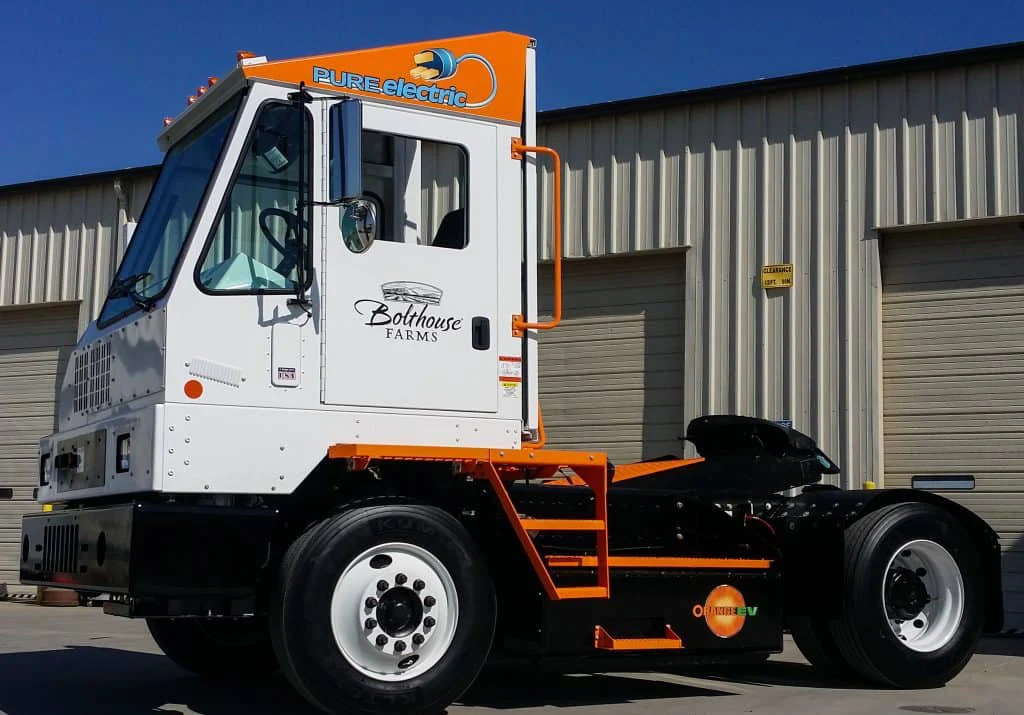
Source: ChooseEV
Case Studies include commercial and municipal organizations:

Source: National Grid USA
Case Studies include transit and school districts:
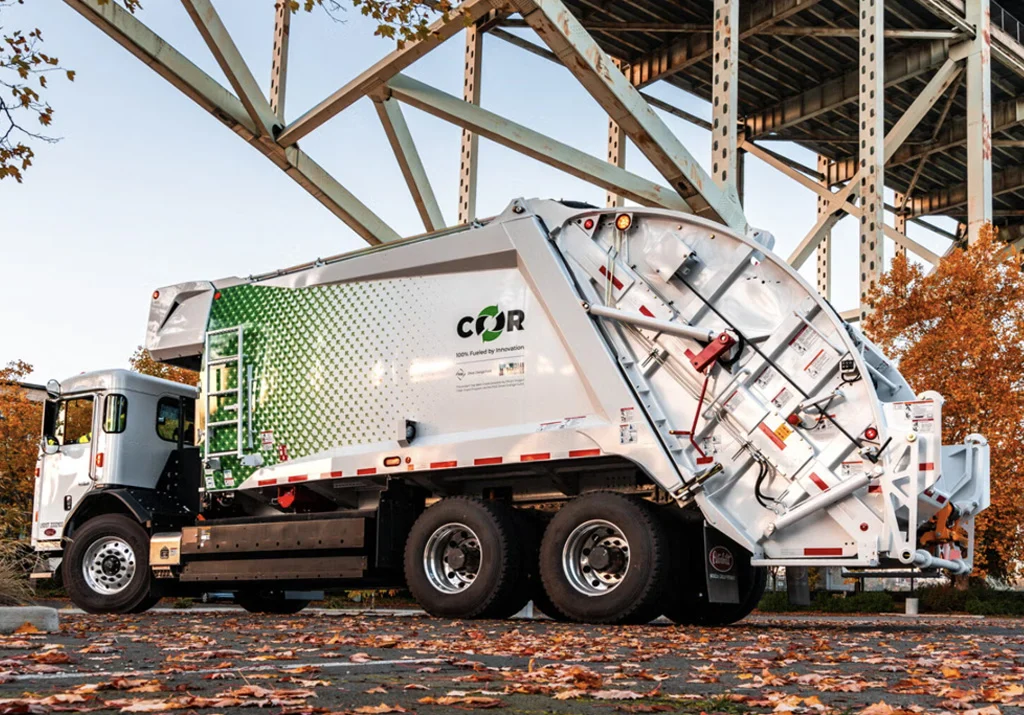
Source: Environmental Defense Fund
Case Studies include these Pacific Northwest companies:

eRoadMAP™ is a mapping and planning tool developed by the Electric Power Research Institute (EPRI) to estimate local power and energy needs for transportation electrification across light-, medium-, and heavy-duty vehicles. The tool helps users understand where EV charging demand may concentrate and where early coordination between utilities and customers can support more effective infrastructure planning.
eRoadMAP highlights areas where multiple customers cluster around shared distribution feeders and includes utility load capacity maps that provide a high-level view of potential capacity for EV charging. These insights are intended for planning and discussion purposes only and do not guarantee electric service availability; users should always consult their local utility to confirm power capacity for specific projects.
The tool is informed by collaboration with fleet operators, vehicle manufacturers, and charging providers, and it will continue to evolve as new data and methodologies become available.
Fleet electrification involves many steps that can leave fleet owners and operators feeling overwhelmed about where to start. These frequently asked questions will provide additional guidance on what to expect and how to plan for any occurrences.
A: Depending on where you are in the electrification process, you will want to identify a utility contact or liaison at your company to facilitate ongoing engagement. If vehicle purchases are needed, connecting with original equipment manufacturers (OEMs) or vehicle providers will be helpful. They may also be able to identify available incentives that are applicable to your fleet.
Selection of internal stakeholders within your organization – such as procurement specialists, operations & maintenance personnel, and finance – will also be important.
A: This will depend on factors such as your operational needs, vehicle type, and installation and equipment costs. You can either own charging infrastructure outright and install it on your property or use public charging infrastructure available to you.
A: Similar to charging infrastructure, the type of vehicle you acquire will depend on your operational needs and functions. Generally, light-duty vehicles are useful for smaller deliveries or transport whereas medium- and heavy-duty vehicles are appropriate for last-mile or bulk cargo handling and mass transit.
Additionally, you’ll want to determine whether a Battey Electric Vehicle (BEV), Hybrid Electric Vehicle (HEV), or Plug-In Hybrid Electric Vehicle (PHEV) would be most useful for your fleet. You can learn more about these vehicle types in the Vehicle Types section.
Many utilities offer Fleet Advisory Service programs that can help you incorporate EVs into your fleet. Your utility can:
A fleet assessment report from your utility will package all this information and walk you through what the next steps might be. The Fleet Advisory Service programs are available at no cost to qualifying customers.
The best way to check if your utility has a fleet advisory service program is to give them a call and ask, or to check their website. A couple examples of programs: