

Start by reviewing your current vehicles and identifying which could transition to electric. Consider vehicle range needs, duty cycles, and operational patterns.
Next, explore the types of charging equipment that match your fleet’s needs, noting that public or contract charging facilities may be an option in your area.
This is also the ideal time to research available financial incentives, rebates, or grant programs — these opportunities often require early applications.
Many utilities offer fleet advisory programs that can guide you through vehicle selection, charging needs, and cost considerations.
Once you know the vehicles you intend to purchase and the charging equipment you’ll need, engage your local utility and a licensed electrician.
Together, you’ll determine the best location for your charging stations and evaluate whether your electrical system has sufficient capacity.
Your electrician can help submit any required service requests to the utility for new or upgraded service. Your electrician will also support the permitting process required by local jurisdictions.
Utilities often assist with site design, engineering requirements, and technical checklists.
In this phase, you’ll move forward with purchasing vehicles and chargers, securing permits, and working with your utility on any necessary upgrades.
Your electrician will handle installation and commissioning activities.
Once your vehicles arrive and charging stations are energized, follow up with your utility to explore EV-friendly rate options that may help you manage charging costs.
 Federal Fleet ZEV Ready Center:
Another helpful resource is the Department of Energy’s Federal Fleet ZEV Ready Center. While it is designed for larger federal fleets, many of the considerations and steps also apply to small and mid-size fleets.
Federal Fleet ZEV Ready Center:
Another helpful resource is the Department of Energy’s Federal Fleet ZEV Ready Center. While it is designed for larger federal fleets, many of the considerations and steps also apply to small and mid-size fleets. A successful fleet transition starts with understanding how your vehicles operate today. Begin by reviewing how far each vehicle travels in a typical day and identifying which EV models are suitable replacements. It’s also important to note when your vehicles are actively in use — and therefore unable to charge — versus when they’re parked at your depot, headquarters, or other facilities.
A number of tools and calculators can help you evaluate vehicle usage patterns, compare EV options, and estimate long-term costs.

Key Considerations:

Key Considerations:
Total Cost of Ownership (TCO) provides a complete picture of the financial impacts of operating a vehicle over its full lifetime. Rather than focusing only on the purchase price, TCO incorporates both upfront and ongoing costs — helping fleets compare options more accurately.
Upfront investment may include the vehicle purchase price, financing, insurance, and any charging infrastructure needed to support EVs. Operating costs vary by vehicle type and location, with calculators accounting for electricity prices, gasoline or diesel costs, and alternative fuels. Maintenance costs also differ across technologies, with EVs generally requiring fewer service visits. Depreciation — often one of the largest cost drivers — affects long-term resale value and can significantly influence overall cost.
A number of established tools from NREL, IEA, PG&E, and the U.S. Department of Energy combine these factors into easy-to-use calculators, giving fleet managers a clear, data-driven way to compare vehicles and evaluate long-term savings. Click the button for more.
Charging infrastructure is one of the more complex components of fleet electrification. The decisions you make early on — such as where to charge, how much power you need, and what business model best fits your operations — can significantly impact overall cost, fleet performance, and long-term flexibility.
Additional Resources:
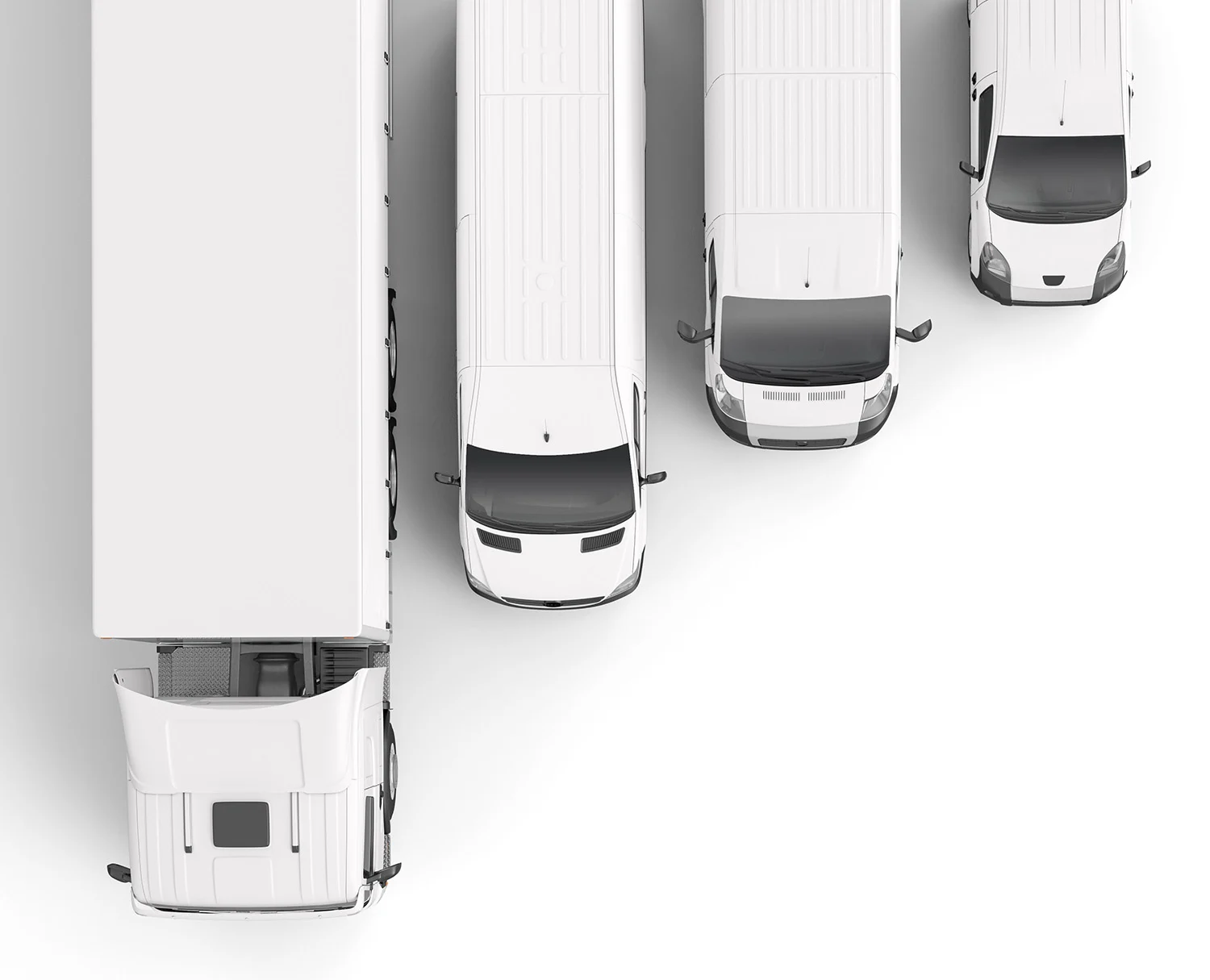
Key Considerations:
Today’s EV market offers a wide range of options across vehicle classes, from sedans and SUVs to vans and medium-duty models. Automakers continue to expand their lineups of battery-electric and plug-in hybrid vehicles each year, giving fleets more choices than ever. More than 160 EV models are now available in the U.S., including many well-suited for small and mid-size fleet applications (download EPRI’s “Consumer Guide to Electric Vehicles“). Increased driving ranges and declining costs — driven by higher production volumes and advancements in battery technology — are helping make EVs a practical choice for many fleet operations.
Engaging early with your electric utility is one of the most important steps when planning to install EV charging equipment. Whether you’re adding a few chargers or developing a larger charging hub, your utility can be a crucial partner in helping you understand service needs, avoid delays, and ensure your site is ready for both current and future fleet demands.
Utilities can support fleets of all sizes — light-, medium-, or heavy-duty — by providing guidance on electrical capacity, rate options, service upgrades, engineering requirements, and interconnection processes. Connecting early helps ensure that your charging plans are cost-effective, technically sound, and aligned with upcoming operational needs.
This resource offers additional information about key considerations, common challenges, and utility services that can support your fleet’s transition.
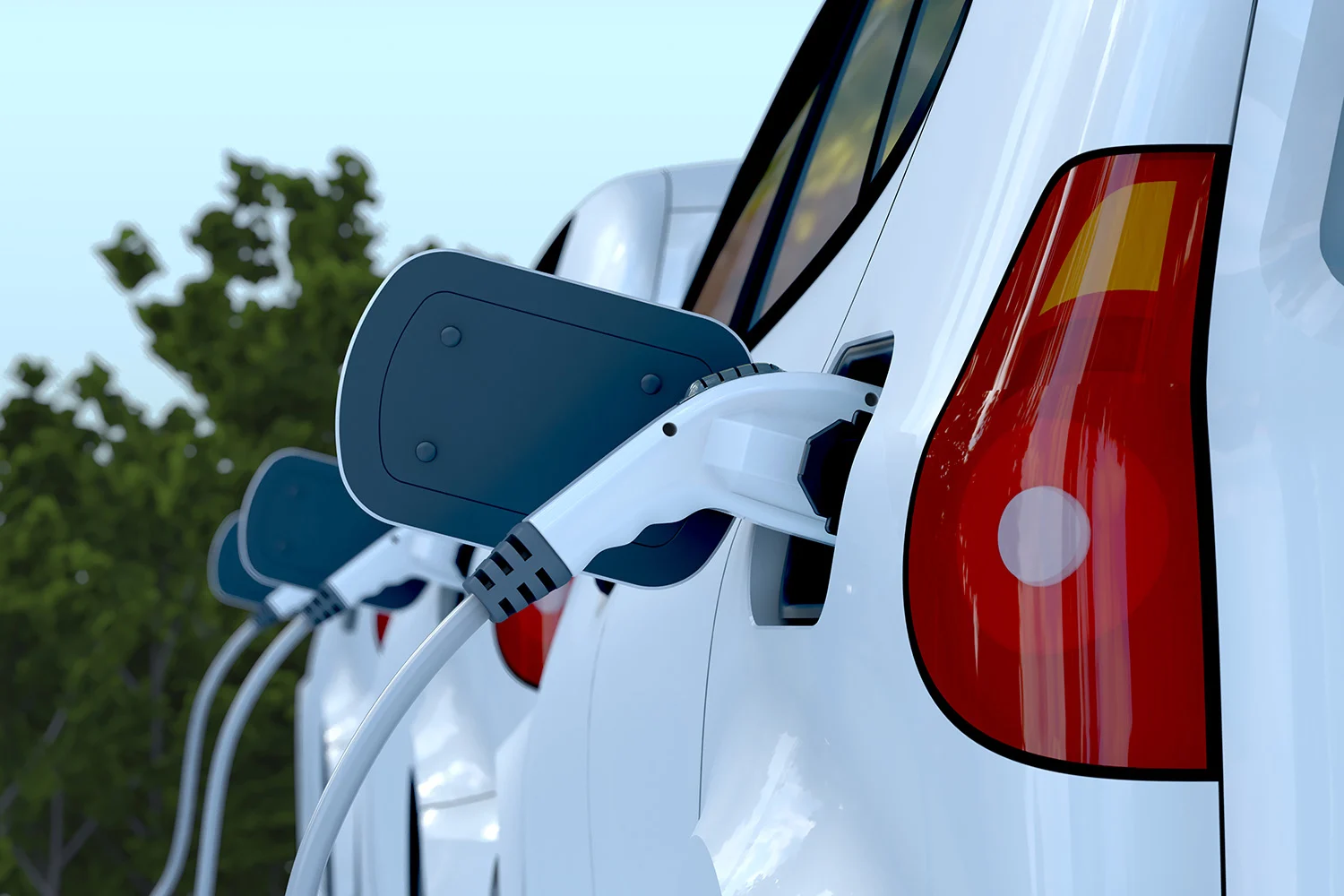
Key Considerations:
As you explore fleet electrification, it’s helpful to identify whether financial incentives or rebate programs are available in your area. These may come from state or local agencies, federal programs, or your electric utility. Incentives can support vehicle purchases, charging infrastructure, and when needed, upgrades to the electrical grid or new service connections, often referred to as “make-ready” funding.
A valuable starting point is the Alternative Fuels Data Center, which provides a comprehensive database of state, local, and utility incentives.
Electrifying your fleet offers meaningful environmental and community benefits. EVs reduce greenhouse gas emissions and smog-forming pollutants, contributing to cleaner air and improved overall environmental performance. Research from the Union of Concerned Scientists shows that light-duty EVs produce fewer greenhouse gas emissions than even the cleanest gasoline vehicles in 97 percent of the United States.
Additional work from the University of Michigan supports these findings and includes an online calculator that allows users to estimate emissions for a variety of vehicle types. EPRI-sponsored research has also demonstrated broader air-quality benefits from transportation electrification, including the potential to reduce non-exhaust emissions (link downloads PDF) — an often misunderstood aspect of EV performance.
Beyond environmental improvements, EVs can also enhance workplace safety by reducing noise and lowering vibration, which may help decrease driver fatigue.
As you prepare to electrify your fleet, it’s helpful to involve several key stakeholders early in the process:
Property Manager / Landowner
May need to approve charger installation and any upgrades to your site’s electrical service.
Licensed Electrician
Can determine whether your electrical panel requires additional capacity and can support you in submitting a service request to your utility.
Your Local Utility
Will supply power to your charging infrastructure and can guide you through the service request process. Many utilities provide step-by-step instructions on their website or offer direct support by phone.
Local Government Representative
Can advise you on required permits, inspections, and timelines for installing charging equipment.
Determine whether public chargers, contracted charging services, or privately owned onsite infrastructure best support your fleet. Many operators use a mix of options depending on operational needs, charging windows, and cost.
If you plan to install chargers at your facility, identify the best locations for equipment, the number of chargers needed, and the appropriate power levels. Early engagement with your local utility is essential—they can help assess available electrical capacity, identify potential upgrades, and guide you toward the most suitable rate options. Smart charging or active load management may help reduce operating costs.
Every fleet’s timeline looks different. Consider how quickly you want—or need—to transition, whether you plan to phase in electric vehicles over time, and how your infrastructure needs may evolve as the fleet grows.
If you prefer additional support or want to reduce upfront investment, several service-based models are available.
Charging-as-a-Service: A third party manages planning, installation, operation, and maintenance of charging infrastructure.
Vehicles-as-a-Service: Access to vehicles through subscriptions, rentals, or ridesharing-style services rather than direct ownership.
FAQs:
Working with Your Utility
A: You should understand any utility program and required processes as early as possible — ideally before purchasing vehicles or charging equipment.
A: In some cases, yes. Many utilities offer rebates, grants, or special rate programs for EV charging installations.
A: In some cases, yes. Some utilities can provide technical guidance or maintain a list of approved EV charging equipment.
A: You may need to expand your building’s electrical panel expansions, or new service connections depending on your facility’s capacity.
Reach out to your utility to begin the conversation. Try these steps to learn about any resources your utility may offer and to find a point of contact:

Consider using GridFAST, a tool that connects businesses with EV-related points of contact at any U.S. utility.