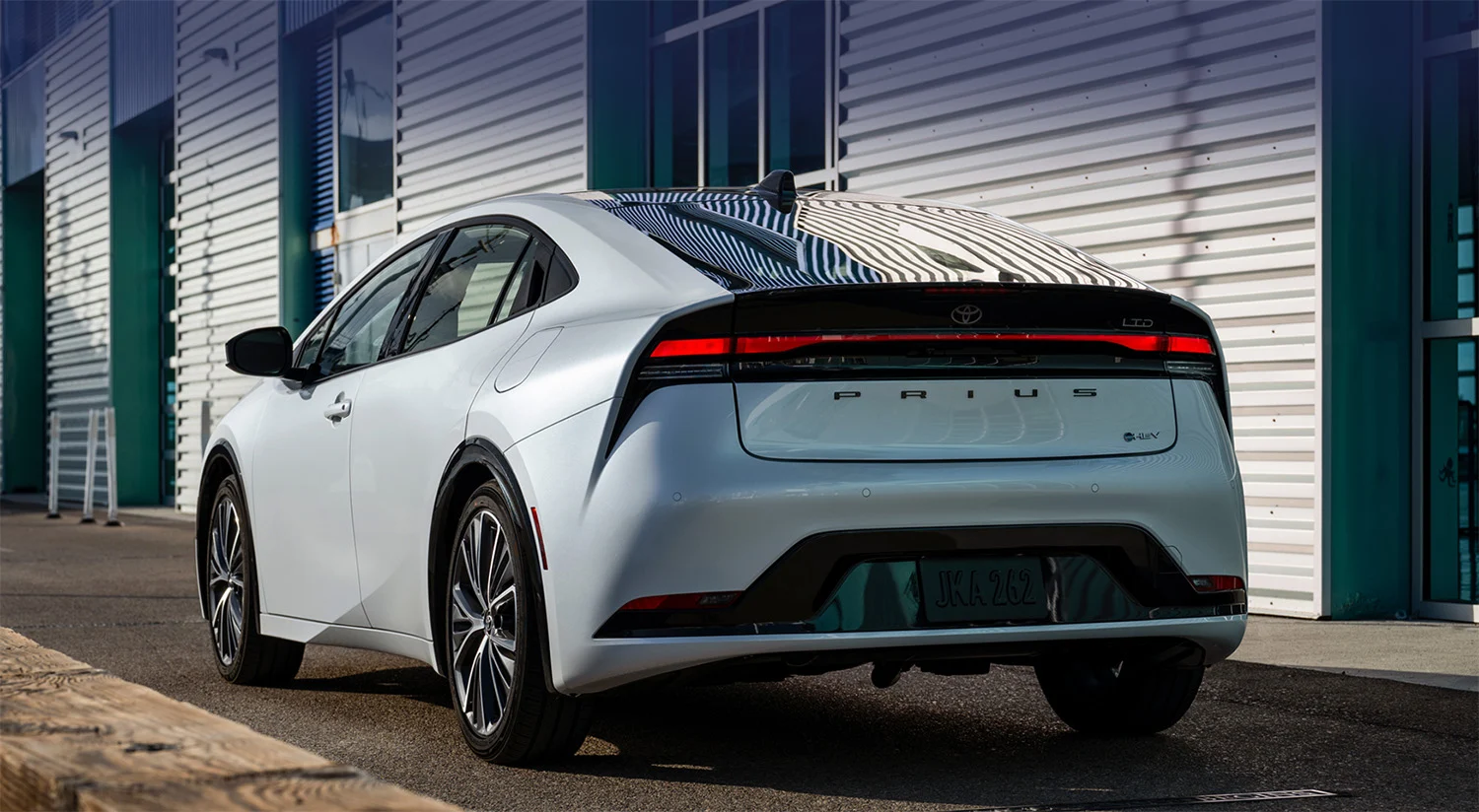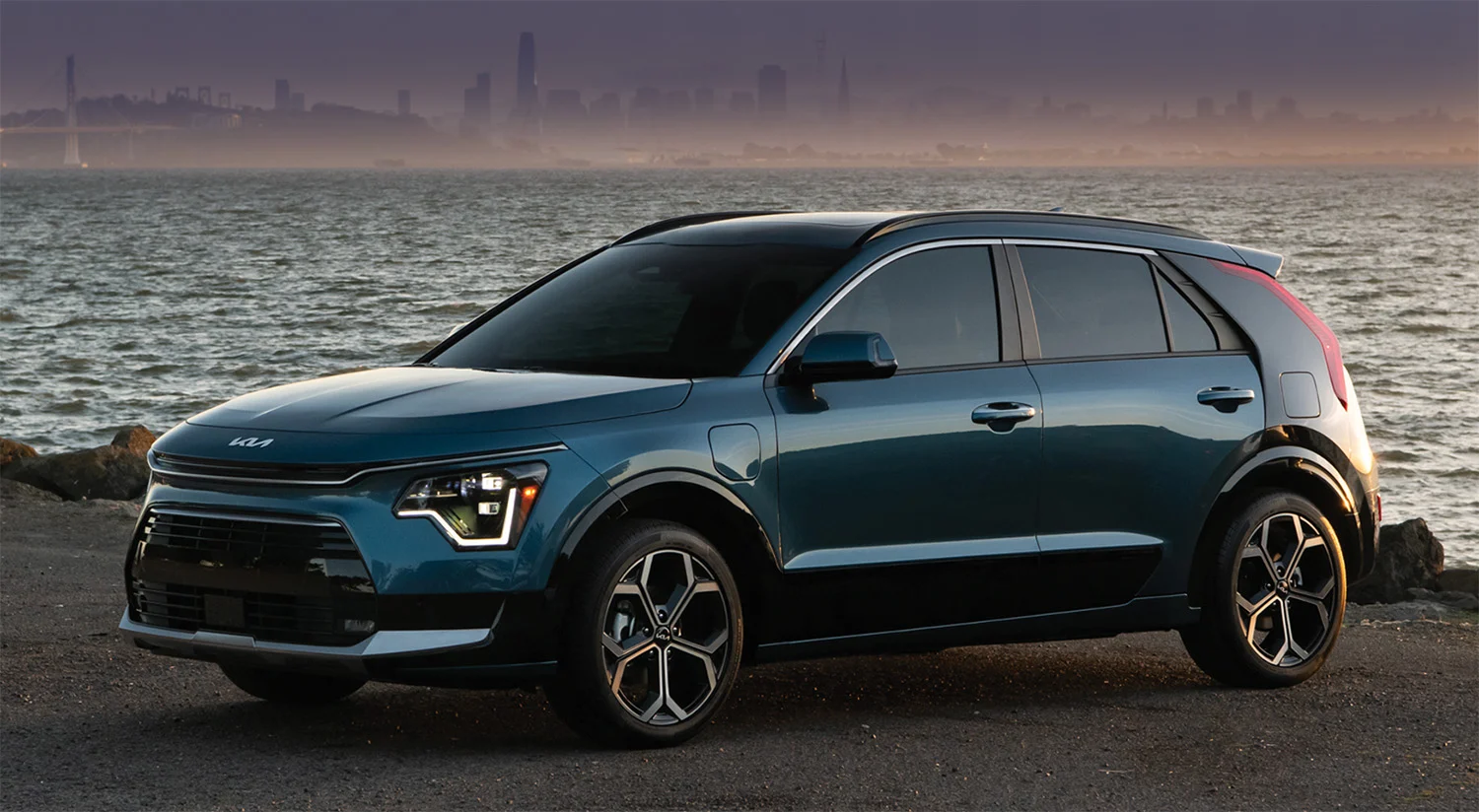

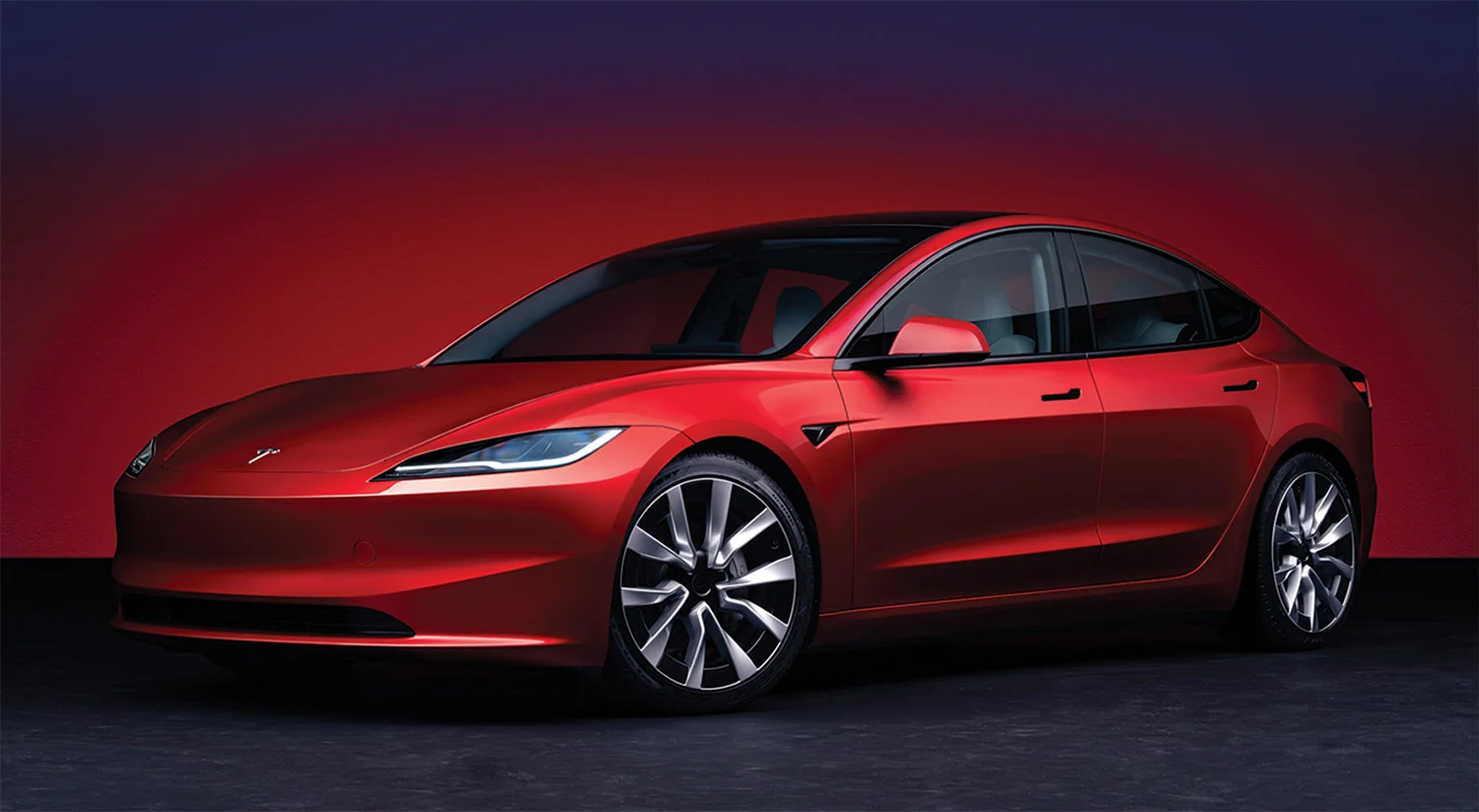
3 different vehicle sizes

Vehicle Types

available vehicle types & features

The electric vehicle market is evolving quickly, with models available across a wide range of sizes, ranges, and commercial applications. Because every fleet has unique needs, there’s no single “standard” configuration — but today’s landscape offers many electric options that can support different operations and preferences.

There are also exciting developments coming to the EV market in the year ahead. Manufacturers are introducing more range-extended vehicles, which allow batteries to charge with support from an onboard generator. Increasingly, EVs are also being equipped with vehicle-to-load (V2L) capabilities, making it possible to power appliances and other equipment directly from the vehicle. Some manufacturers are adding Plug & Charge functionality as well, enabling vehicles to authenticate automatically when plugged into a compatible charger — no additional steps required for billing.

In this section, you’ll find an overview of available vehicle types and features to help guide your fleet planning.

Let’s Talk Fleets

Fleets typically include a mix of vehicle classes — light-duty vehicles for transporting people and small loads, medium-duty vehicles for last-mile delivery and specialty tasks, and heavy-duty vehicles for bulk cargo, large specialty applications, and mass transit. Below are examples of commercially available electric vehicles in each segment. For a comprehensive and regularly updated list, download EPRI’s “Consumer Guide to Electric Vehicles” and “Guide to Commercial and Industrial Electric Transportation.”

There are also promising electrification opportunities emerging for specialty vehicles such as electric yard tractors, bucket trucks, and step/walk-in vans, with more models expected to become available soon.

Light Duty Examples

Organization: Designation: Class:

Federal Highway Administration’s GVWR Category

Light Duty: 10,000 lbs

Class 1: less than 6,000 lbs
Class 2: 6,001 – 10,000 lbs

US Census Bureau’s VIUS Class

Light Duty: 10,000 lbs

N/A

Class 1:   6,000 lbs or Less

Sedan

Sedans are the typical “car” that seats 4-5 people and are intended mainly to transport passengers.

Passenger Van

Passenger vans are large vehicles intended to transport many passengers. They can seat up to 15 people.

SUV

“Sport Utility Vehicles” (SUVs) are similar to sedans, but typically have more cargo capacity and greater ground clearance.

Compact Pickup

Compact pickups typically seat 2 people and have an open bed for transporting light cargo.

Class 2:   6,001 – 10,000 lbs

Mid-Size Pickup

Midsize pickups are larger than compact pickups, typically seat 2-5 people, and have more room for cargo.

Full-Size Pickup

Full-size pickups are the typical “pickup” that seats 2-5 people and has capacity for a half ton of cargo or more.

Cargo Van

Cargo vans are constructed similarly to passenger vans, but typically only seat 2 people and dedicate the rest of the space to cargo.

FULL-SIZE SUV

Full-size SUVs are larger SUVs that typically have space for 7 people and have greater cargo capacity.

Medium Duty Examples

Organization: Designation: Class:

Federal Highway Administration’s GVWR Category

Medium Duty: less than 10,001 – 26,000 lbs

Class 3: 10,001 – 14,000 lbs
Class 4: 14,001 – 16,000 lbs
Class 5: 16,001 – 19,500 lbs
Class 5: 19,501 – 26,000 lbs

US Census Bureau’s VIUS Class

Medium Duty: 10,001 – 19,500 lbs
Light Heavy Duty: 19,501 – 26,000 lbs

N/A

Class 3:   10,001 – 14,000 lbs

WALK-IN VAN

Walk-in vans are cargo vans that have high roofs that enable users to enter the van easily. They can be used for cargo or for equipment.

BOX TRUCK

Box trucks have a cargo area that is separate from the passenger area and are typically used for large amounts of cargo.

CITY DELIVERY

City delivery vehicles are similar to box trucks and step vans in design. They are well-suited for urban and suburban locations.

HEAVY-DUTY PICKUP

Heavy-duty pickups are pickups with greater load capacity. They would typically be used for towing heavy loads.

Class 4:   14,001 – 16,000 lbs

LARGE WALK-IN VAN

Walk-in vans are cargo vans that have high roofs that enable users to enter the van easily. They can be used for cargo or for equipment.

SHUTTLE BUS

Shuttle buses are small buses built on truck chassis. Shuttle buses in this class would typically transport up to 25 passengers.

UPFITTED TRUCK

Upfitted trucks have a variety of potential applications, but are essentially pickups with the beds replaced by specialized cargo bodies or equipment.

STEP VAN

Step vans are large vans with low step-in height and a large cargo capacity. The cab and cargo area are typically combined.

Class 5:   16,001 – 19,500 lbs

BUCKET TRUCK

A bucket truck is an upfitted truck with an articulating telescopic bucket that can be used to elevate a worker up to reach work areas high off of the ground.

DELIVERY TRUCK

Delivery trucks are most often used for urban applications and are larger than city delivery vehicles. They are typically walk-in and have large cargo space.

LARGE WALK-IN VAN

Walk-in vans are cargo vans that have high roofs that enable users to enter the van easily. They can be used for cargo or for equipment.

Class 6:   19,501 – 26,000 lbs

TRANSIT BUS

A transit bus is a bus intended to transport large numbers of passengers in revenue service.

SCHOOL BUS

A school bus is a bus intended to transport students to school.

STAKE BODY TRUCK

A stake body truck is a flatbed truck that can optionally have stake sides added (that look like picket fences) to carry low-density bulk loads.

Heavy Duty Examples

Organization: Designation: Class:

Federal Highway Administration’s GVWR Category

Heavy Duty: over 26,001 lbs

Class 7: 26,001 – 33,000 lbs
Class 8: over 33,001 lbs

US Census Bureau’s VIUS Class

Heavy Duty: over 26,001 lbs

N/A

Class 7:   26,001 – 33,000 lbs

TRANSIT BUS

A transit bus is a bus intended to transport large numbers of passengers in revenue service.

SCHOOL BUS

A school bus is a bus intended to transport students to school.

TRUCK TRACTOR

A truck tractor or “semi” truck is a truck that is intended exclusively for towing large trailers, which attach using a “fifth wheel”/kingpin assembly.

REFUSE TRUCK

Refuse trucks haul municipal solid waste or recyclable material in a large, dedicated refuse body.

STREET SWEEPER

A street sweeper is a specialty vehicle that sweeps streets and potentially collects waste or uses water for cleaning.

DIGGER DERRICK

A digger derrick is a truck that has a self-powered drill assembly on the back capable of digging holes.

TANK TRUCK

A tank truck is a truck with a large tank on the back for carrying large amount of liquid material.

Class 8:   33,001 lbs and Above

TRUCK TRACTOR

A truck tractor or “semi” truck is a truck that is intended exclusively for towing large trailers, which attach using a “fifth wheel”/kingpin assembly.

SLEEPER CAB

A sleeper cab is a truck tractor that additionally has an extended passenger cab with enough space to sleep in.

REFUSE TRUCK

Refuse trucks haul municipal solid waste or recyclable material in a large, dedicated refuse body.

CEMENT TRUCK

A cement truck hauls mixed cement to a job site. The mixed cement will cure in a relatively short time, so the truck has to dispense or dump the load in a matter of hours.

TANK TRUCK

A tank truck is a truck with a large tank on the back for carrying large amount of liquid material.

FIRE TRUCK

Fire trucks are used to put out fires, either by pumping from a fixed hydrant or using on-board water or foam.

Electrified Powertrain Types

Understanding the different types of electrified powertrains can help fleet owners choose the right vehicle for their needs. Electric and hybrid systems offer a range of benefits — reduced emissions, lower operating costs, and quieter performance — while supporting a wide variety of duty cycles and use cases. The summaries below provide a quick overview of the main powertrain types available today.

EVs in Action: Proven Commercial Use Cases

Fleet electrification is already well underway across the U.S. and internationally. In fact, nearly 90% of fleet operators who currently use EVs plan to purchase additional electric vehicles in their next acquisition cycle, reflecting strong confidence in the performance, cost savings, and reliability of today’s models. (Cox Automotive: Future of Fleets & EV Adoption Survey)

In many commercial applications, electric vehicles can deliver a lower total cost of ownership (TCO) through reduced fuel, maintenance, and idling costs — especially in predictable, low- to medium-mileage operations. In other cases, state and utility incentives can help fleets achieve a lower TCO by reducing upfront vehicle and infrastructure costs.

Today’s EVs perform especially well in applications with consistent parking locations, scheduled dwell periods, and repeatable daily routes. However, even fleets with more variable operations may see value when incentives are available, fuel prices are high, or operational downtime can be reduced through more reliable electric drivetrains.

Light- & Medium-Duty Fleet Applications​

Electric vans, sedans, and work trucks can be a practical and cost-effective choice for local service-oriented businesses. These operations often have predictable daily routes, short return-to-base cycles, and clear sustainability goals — making electrification both a business and brand advantage.​

Heavy-Duty Fleet Applications​

Electric Class 8 trucks and other heavy-duty vehicles are gaining traction as technology advances and incentives expand. While upfront costs can be higher than diesel, state- and port-level programs can significantly reduce purchase prices. Over time, electric trucks can provide meaningful operational advantages, help fleets hedge against volatile fuel prices, support compliance with evolving air-quality standards, and reduce noise and emissions in communities.

Electric Vehicles Available Today

Light-Duty

Most EVs available today fall into three main categories: SUVs and crossovers, sedans, and pickup trucks. The market is growing quickly, with nearly 50 new models introduced last year and more than 130 models expected by the end of this year. At the same time, average driving range continues to improve and is projected to reach roughly 295 miles by year-end (Source: EPRI).

You can explore the latest models, pricing, and features by downloading EPRI’s “Consumer Guide to Electric Vehicles.

Mercedes-Benz eSprinter
Rivian
Nissan Leaf
Kia
Ford F-150 Lightning
Cadillac Escalade IQ

Medium- & Heavy-Duty

Electric options are also expanding across medium- and heavy-duty vehicle classes, with technologies suited to a wide range of uses — including transit buses, refuse and recycling trucks, regional haul, and last-mile delivery.

For a deeper look at available platforms and applications, download EPRI’s “2025 Guide to Commercial and Industrial Electric Transportation.

IC_BUS_CE
Volvo
McNeilus
Nova Bus
Mack
Isuzu